Sign 1
A new lump or thickening
It may be painless. A painless lump is not automatically harmless.
Breast cancer awareness · Lebanon
Awareness is not only about detecting cancer. It is about protecting your health, making informed decisions, being supported through treatment — and never being left alone afterward.
Based on WHO, IARC and US National Cancer Institute evidence · 8‑minute read
01 · The facts everyone should know
Behind every number is a mother, a daughter, a friend. These are the latest estimates from the World Health Organization's cancer agency.
2.4M
women diagnosed worldwide in 2024
Global · WHO
694,000
lives lost worldwide in 2024
Global · WHO
3,404
new cases among women in Lebanon
Lebanon · IARC 2024
978
women lost in Lebanon
Lebanon · IARC 2024
Out of every 100 new cancers in Lebanese women…
3,404 of an estimated 8,798 new cancer cases in women
≈ 39 are breast cancer — more than any other type.
19.2%
of all new cancer cases in Lebanon — men and women combined.
9,615
people in Lebanon living with a breast cancer diagnosis made in the past five years.
Modeled national estimates (IARC GLOBOCAN 2024, Lebanon fact sheet published September 2026), not a live count of confirmed diagnoses.
02 · Awareness
Breast cancer begins when abnormal cells in breast tissue grow out of control. There is no single breast cancer — but there are four changes every woman should know.
Sign 1
It may be painless. A painless lump is not automatically harmless.
Sign 2
New swelling, asymmetry, dimpling, puckering, redness or a change in texture.
Sign 3
A newly inverted nipple, persistent changes, or spontaneous — especially bloody — discharge.
Sign 4
Swelling in the armpit or around the collarbone also deserves a medical check.
Most breast lumps are not cancer — but every new change deserves a check.
See a qualified healthcare professional promptly rather than watching it at home.
A normal mammogram does not mean a new symptom can be ignored. And an abnormal screening result does not automatically mean cancer.
Who should screen, and when?
WHO supports organized mammography for women aged 50–69.
Your plan may differ. Ask a Lebanese physician about your age, history, family history and any inherited risk. A strong family history may mean screening earlier.
Breast awareness
Knowing what is normal for your body and noticing changes.
Clinical assessment
A healthcare professional examines a symptom or concern.
Screening mammography
An X-ray for women without symptoms, to find disease earlier.
Diagnostic imaging & biopsy
Used when a symptom or a screening result needs clarifying.
Don't wait for pain.Don't wait for October.Don't let fear stop you.
03 · Prevention
There is no guaranteed way to prevent breast cancer. But there are realistic choices that support your health.
of breast cancers occur in women with no specific risk factor other than being a woman and getting older.Source: WHO
Walking, dancing, swimming — regular activity is linked to lower risk, especially after menopause.
Vegetables, fruit, whole grains. No single food or juice prevents breast cancer on its own.
Alcohol increases breast cancer risk. Avoiding it is a risk-reduction choice — never a judgment.
Tell your doctor about breast or ovarian cancer in close relatives. Genetic counselling may help.
Discuss hormone therapies with your doctor. Never act on a social-media post.
“Did stress cause my cancer?”
The evidence does not show that grief, stress or a hard life event directly causes breast cancer. No one becomes ill because they weren't positive enough. Emotional support matters because it helps you cope — not as a substitute for treatment.
04 · Diagnosis & treatment
Fear and confusion are normal. Knowing the path ahead makes it easier to walk.
01
A professional assesses the change and your medical history.
02
Diagnostic mammography, ultrasound or other imaging as needed.
03
A tissue sample confirms whether cancer is present and its type.
04
The team checks the extent and markers such as hormone receptors and HER2.
05
Surgery, radiotherapy, chemo, hormone, targeted or immunotherapy — chosen for you.
Not every patient needs every treatment. Source: US National Cancer Institute.
Print this list. Bring someone you trust. Ask them to explain any word you don't understand.
05 · During treatment
Breast cancer touches identity, relationships, work, parenting, finances and confidence. A woman may feel several of these at once:
None of these means she is weak or coping “wrong”.
Trusted people, a psycho-oncology professional, a counsellor or a support group.
Friendships, hobbies, faith and ordinary routines that feel like her.
Let her choose when to talk about cancer — and when to talk about anything else.
Transport, work, childcare and money can matter as much as reassurance.
Persistent anxiety, low mood or poor sleep deserve care. Asking is not failure.
A special message for mothers
“A mother is still a person who needs care — not only the person who provides it.”
06 · After treatment
Some women feel relief. Others feel exhausted, disconnected or afraid of recurrence. Often, both at once. This is the part of the journey people overlook.
Worry before scans and follow-ups.
Acknowledge the fear; go with her if invited.
Less energy for work, family and friends.
Don't assume “treatment done” means “fully recovered”.
Changes in confidence and how she feels in her body.
Listen. Don't comment on appearance unless invited.
Ongoing symptoms that need management.
Encourage follow-up with her treating team.
Others may expect her old role back, right away.
Ask what she can manage; respect her pace.
Reduced income, ongoing costs, a hard return to work.
Help explore practical resources and adjustments.
Instead of
“Now you can finally move on.”
Try saying
“I'm glad you've reached this stage. I know there may still be difficult days. I'm here for those, too.”
Survivorship is not one story. Some women have no evidence of disease. Some live with metastatic cancer for years. Some face recurrence. No one who has advanced cancer has “failed to fight hard enough.”
07 · For family & friends
Most people want to help. The best support listens, acknowledges feelings and respects her wishes — without insisting on positivity.
“I'm here for you, whatever you're feeling.”
She can be scared, angry, hopeful or tired — without managing your emotions.
“Would you like to talk, or just some company?”
It gives her control over the conversation.
“Can I bring dinner on Tuesday?”
Specific offers help more than “call me if you need anything.”
“You don't have to be strong for me.”
She doesn't need to hide her distress to protect you.
“Everything will be fine.”
“I hope for the best with you, and I'll be here one step at a time.”
“You must stay positive.”
“You don't have to pretend to be okay with me.”
“My friend had cancer and she was fine.”
“Every journey is different. What worries you most right now?”
“You look great, so you must feel better.”
“How have you been feeling lately? You can tell me honestly.”
Your fear is real — seek support for yourself too. Then ask her:
Make room for honest talk without demanding updates. Children need simple explanations, steady routines — and should never carry an adult's illness.
Talk privately, protect confidentiality, consider reasonable adjustments. A thoughtful workplace helps her keep her identity and belonging.
08 · Real stories
Published first-person accounts from Macmillan Cancer Support (UK). Individual experiences — not promises of the same outcome.
Vicky found that counselling, a welcoming support centre — and a son who knew she didn't always have to be strong — made her feel less alone.
Lesson: resilience includes vulnerability.
Vicky · Macmillan · Nov 2025
Diagnosed while caring for her husband and two children, Pragati saw how the way news is delivered — and family support — shapes everything after.
Lesson: she is a whole person, not a diagnosis.
Pragati · Macmillan · Mar 2026
After her own cancer, Allia listened to other women's stories — and founded a support group for South Asian women in her community.
Lesson: one voice can start a movement.
Allia · Macmillan survivor account
Sal faced the shock of diagnosis alongside lost income and bills. Practical financial guidance helped her find the support available.
Lesson: compassion includes practical help.
Sal · Macmillan · Feb 2023
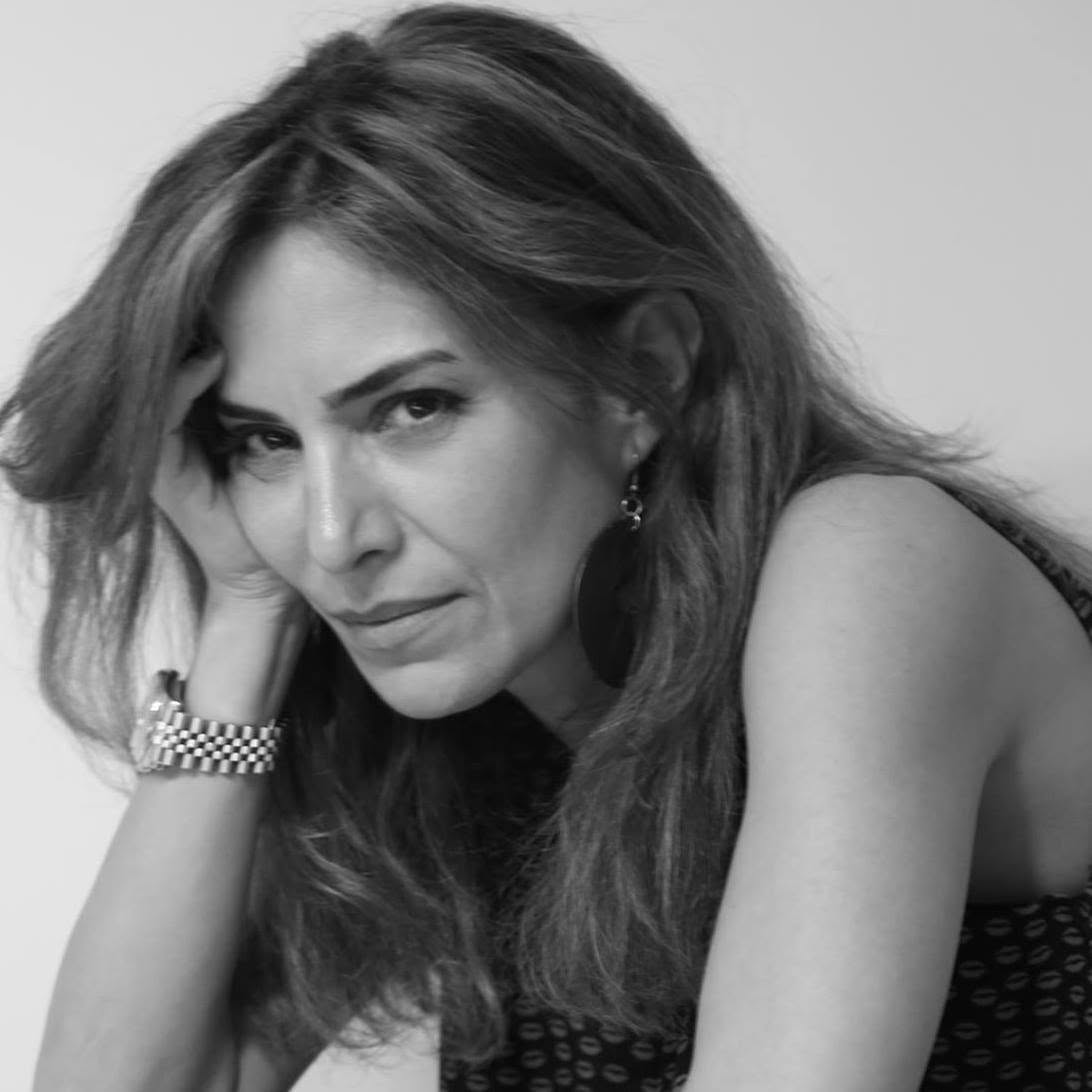
I am sharing my experience because it may help someone feel less alone. Your story is yours to share — in your own time, and only if you choose.
Share your story, safely
09 · What L'amour does in Lebanon
Medical awareness and human compassion should never be separate missions. Four pillars, all year round — not only in October.
Pillar 1
Medically reviewed education in Arabic, French and English.
Pillar 2
Partnerships with hospitals, breast clinics, physicians and trusted NGOs.
Pillar 3
Confidential support circles, family education and practical help.
Pillar 4
Employers, universities and organisations sponsoring education and support.
L'amour is more than a name. It is a circle of support, a voice for every woman who fights, struggles, falls, gets up and keeps going.
To support and uplift women in need — whether facing illness, rejection, deception, loneliness, loss of direction, or simply a loss of meaning — by providing emotional support, guidance, resources and opportunities for a better future.
You are more than your diagnosis.
More than your fears, your scars, your difficult days.
Choose one step today. Each one matters.
L'AMOUR — Women Rise Together.